Description
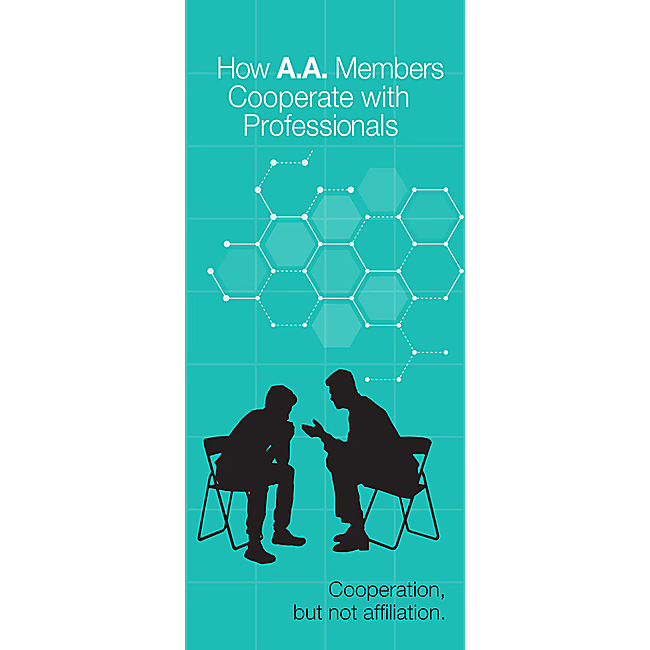
A.A. Pamphlet P-29, “How A.A. Members Cooperate with Professionals,” outlines how members can work alongside nonalcoholic professionals (healthcare workers, clergy, and legal officials). The core principle is cooperation, but not affiliation—A.A. members provide resources and personal experience without endorsing or joining outside organizations.
Key Guidelines and Channels for Cooperation
-
- Maintain Anonymity: Members must maintain personal anonymity at the level of media (press, radio, films) while interacting with professionals, ensuring A.A. is represented by its principles rather than individual personalities.
- Clearly Define Roles: Members who are also professionals (e.g., doctors, social workers, counselors) must make it clear in which capacity they are acting or speaking at all times. [1]
- Bridging the Gap: A.A. members help recovering individuals transition smoothly from treatment settings or correctional facilities to local A.A. meetings through contact programs.
- Open Meetings: Inviting professionals and future professionals to attend open A.A. meetings to observe how the program operates.
- Providing Literature: A.A. members and local Committees on Cooperation with the Professional Community (C.P.C.) provide professionals with A.A. directories, facts, and literature, such as copies of the A.A. Grapevine, to show the fellowship in action.
What A.A. Does and Does Not Do
To maintain healthy cooperation, A.A. members must ensure professionals understand the limitations of the program:
- Does Do: Members share their personal experience, strength, and hope with anyone seeking help for a drinking problem.
- Does Not Do: A.A. does not provide medical or psychiatric advice, run hospitals, offer social services (housing, food, money), check up on members, or provide letters of reference to courts or parole boards