




aa toronto intergroupAA Toronto Intergroup helps with committee work at treatment centres

Treatment Committee

Star Star

The Primary Purpose of the Treatment Committee

The primary purpose of a Treatment Committee is the same throughout the
United States and Canada, to carry the A.A. message to the alcoholic who still suffers. There is probably no easier place for an A.A. member to find a suffering alcoholic than in a treatment facility or outpatient treatment setting. According to A.A.
Membership Surveys, approximately one third of our members cite treatment facilities as the factor most responsible for them coming to A.A. Carrying the message to alcoholics in treatment is basic Twelfth Step work — sharing experience, strength and hope — giving it away in order to keep it!

The purpose of a Treatment Facilities Committee is to coordinate the work of individual A.A. members and groups who are interested in carrying our message of recovery to alcoholics in treatment facilities, and to set up a means of “bridging the gap” from the facility to the larger A.A. community.
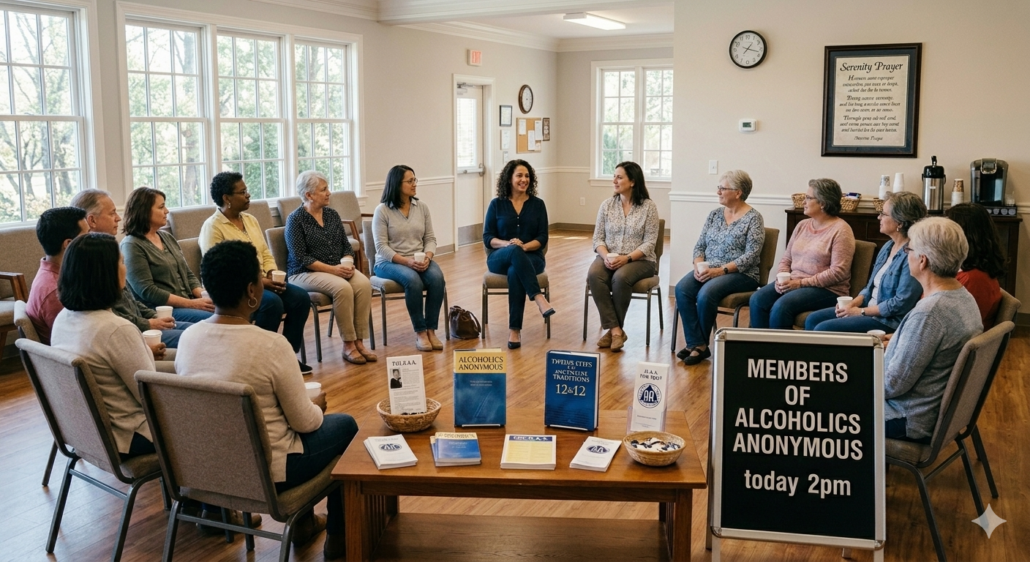
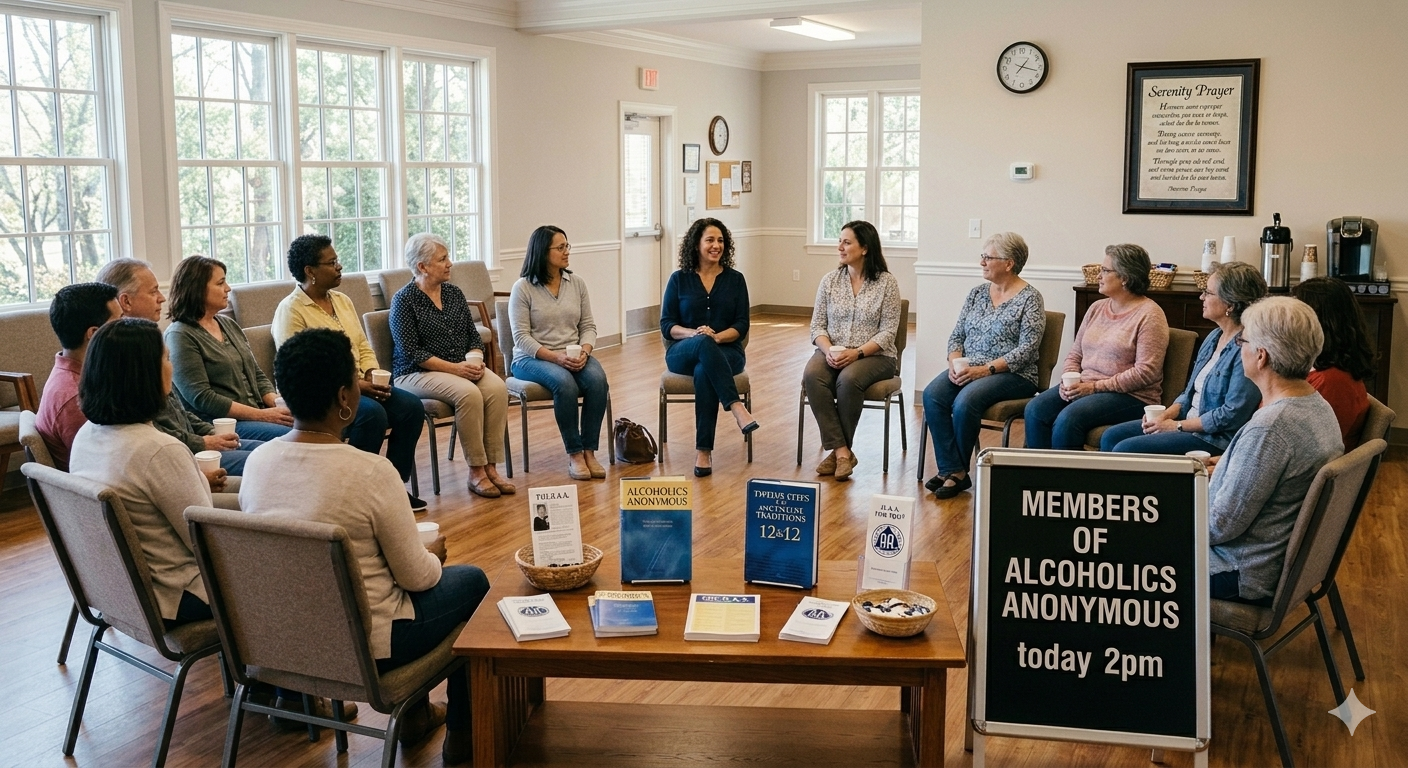
Show others how to walk the walk

AA Toronto Intergroup helps with committee work at treatment centres

“Practical experience shows that nothing will so much insure immunity from drinking as intensive work with other alcoholics. It works when other activities fail.” Alcoholics Anonymous, p.89

Treatment Facilities and the Fellowship of Alcoholics Anonymous

Many happy sober A.A. members have found that the best cure for a “dry drunk” or a self-pity binge is working with another still-suffering alcoholic. Seeing other alcoholics recover, whenever they do, is almost as great a reward as our own sobriety.

What better place to look for those still-suffering alcoholics than in a hospital or some other alcoholism treatment place? The idea is older than A.A. itself.

In 1934, a sober alcoholic named Bill W. kept trying to help drunks in Towns Hospital in New York City. None of them seemed interested at the time, but Bill stayed sober.

All over the world, ever since, hundreds of thousands of A.A. members have been visiting alcoholics in such places. Twelfth- stepping and sponsoring sick alcoholics – where they are – has long been one of the important and happiest ways of keeping ourselves sober.

Today, unlike the 1930s and 1940s, alcoholics can get professional treatment in many different kinds of places. So A.A. members who want to strengthen their sobriety or who want more A.A. joy in life can easily find it. It is in the hospital or other treatment facilities nearest you, where many suffering alcoholics are.

Star Star

Basic Function of Treatment Facilities Committees

  • When allowed to do so, takes regular A.A. meetings into facilities within its area.

  • Encourages group participation.

  • Provides a liaison between treatment facilities meetings and groups on the outside.

  • Coordinates temporary sponsorship.

  • Arranges purchase and distribution of literature for these groups and meetings. Some groups collect back issues of Grapevine for distribution.

How can I get active?

The committee is always looking for volunteer members to lend support to meetings in treatment facilities. In facilities that allow it, you may volunteer for our Bridging the Gap program, which provides temporary sponsors to individuals leaving the facility. In addition, we are always looking for volunteers to attend and/or help put on meetings in various treatment facilities. Just follow this link here to fill out a form and reach the committee chair.

Qualifications for Chairpersons
The chairperson of the area Treatment Committee is generally elected by the
members of the area committee to serve a two-year term. Candidates for this
office are usually required to have at least five years of current and continuous
sobriety and three years of active committee work at the area and local levels. In
some areas the Treatment Committee chairperson is appointed by the chairperson of the area general service committee; in other areas the chairperson is elected by assembly members.

Star Star

I am Responsible

Professionals and clients alike may not understand the difference between treatment and Alcoholics Anonymous, so it is up to the A.A. volunteer or committee member to make these distinctions clear.
Some members shared that they found it important to point out that treatment
staff members are paid for their time, and that many have professional training, education or licensing, while A.A. members do their service for free, and because they  have to “give it away to keep it.” Other A.A.s like to remind new members that the only qualification that A.A. members have is their own experience with alcoholism and recovery through A.A. and the Twelve Steps.

Some other important distinctions:
• Treatment centres may recommend different models of recovery or medications, while A.A. members stick to the message of recovery found in the A.A. program.
• Treatment centre staff members may not embrace ideas like one-day-at-a time,
anonymity, personal inventory, self-support or the idea of a Higher Power, concepts that A.A. members rely on.
• Treatment Centres, whether hospital based, for-profit or nonprofit set particular criteria for entering and staying in a treatment program. In A.A., you are a member if you say you are.

Treatment Facilities and our Twelve Traditions

The Treatment Facilities Committee is mindful of our Traditions in its work with the facilities. We are careful to cooperate and not affiliate, to attract rather than promote, and to let the facility run itself. Our only concern is with sharing our own experience, strength and hope. A set of guidelines, known as the “Dos and Don’ts “, have been developed strictly for A.A. members carrying the message into the facilities.

Do’s and don’ts

  • DO Abide carefully by all the rules of the facility. A.A. members are guests of the facility.
  • DON’T A.A.s should not try to claim special exemptions or privileges, or try to manipulate the agency into making concessions.
  • DO Make sure every A.A. promise is kept to the letter.
  • DON’T Do not make any commitment that cannot be met. Excuses do not speak well for A.A., but faithfulness and results do.
  • DO Limit yourself to carrying your own honest message of alcoholism recovery.
  • DON’T Do not talk about medication, psychiatry, or scientific theories of alcoholism. This is the territory for professionals. Our own personal spiritual life does not make us experts on religion.
  • DO Listen at least as much as you talk.
  • DON’T Do not argue about anything. Arguments never win friends.
  • DO Live by the spirit of A.A.’s Traditions.
  • DON’T Do not expect any professional agency to govern itself by our Traditions. They cannot and have no need to do so.
  • DO Remember that you are A.A. to people in the facility. Your language, appearance, manners, and mood will affect other people’s opinions of our Fellowship. Your behaviour can make sure A.A. is always welcome.
  • DON’T Do not give agency personnel or patients any reason to be unhappy with A.A.
  • DO Always maintain a cheerful humility about how A.A. works.
  • DON’T – Do not brag about A.A. Let results speak for us.
  • DO Remember that you “are responsible.” Let the patients know about the benefits of sponsorship, as well as the temporary contact program which may be available in your area.
  • DON’T Do not carry the message to the facility and leave it there. Thousands of times these suggested Dos and Don’ts have helped to keep A.A. relationships with professionals cooperative and cordial.

Want to be a Treatment Facilities Committee volunteer? Please email us at treatment@aatoronto.org

For more information, email us!